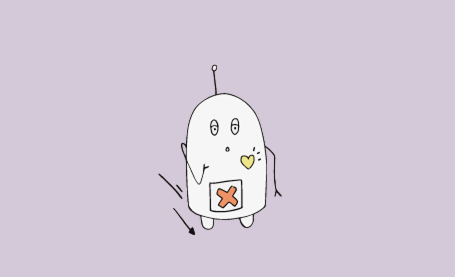
Let the robot express that:
It directs its attention towards the user using a user-oriented positioning in the room, letting robot and user face each other (Attentive). The outcome of the user’s action was evaluated as negative using a negative light, sound or gesture (Indication of incorrectness).That it feels with and is there for the user by moving forward, getting closer to the user and showing an expressive comforting gesture (Comforting). Its operation mode is <>, setting the status light to permanently glowing (Operation mode on).
roviding negative feedback in a sympathetic way requires three subactions: facing the interaction partner to signal that your attention is focused on them and providing an indication of negative output, paired with an expression of comfort to express empathy. While human express disapproval and incorrectness mainly through verbal output, gestures and mimics, robots can use other modalities that are commonly known from technical devices, such as a red light or descending sound. Comforting actions are often accompanied by touch and physical closeness. While being touched by a robot might have contrary effects, it is possible for the robot to decrease the distance towards the user to express sympathy. Further details about the three subactions can be found in the descriptions of the Atomic Patterns “Attentive, “Indication of Incorrectness” and “Comforting the user”.